


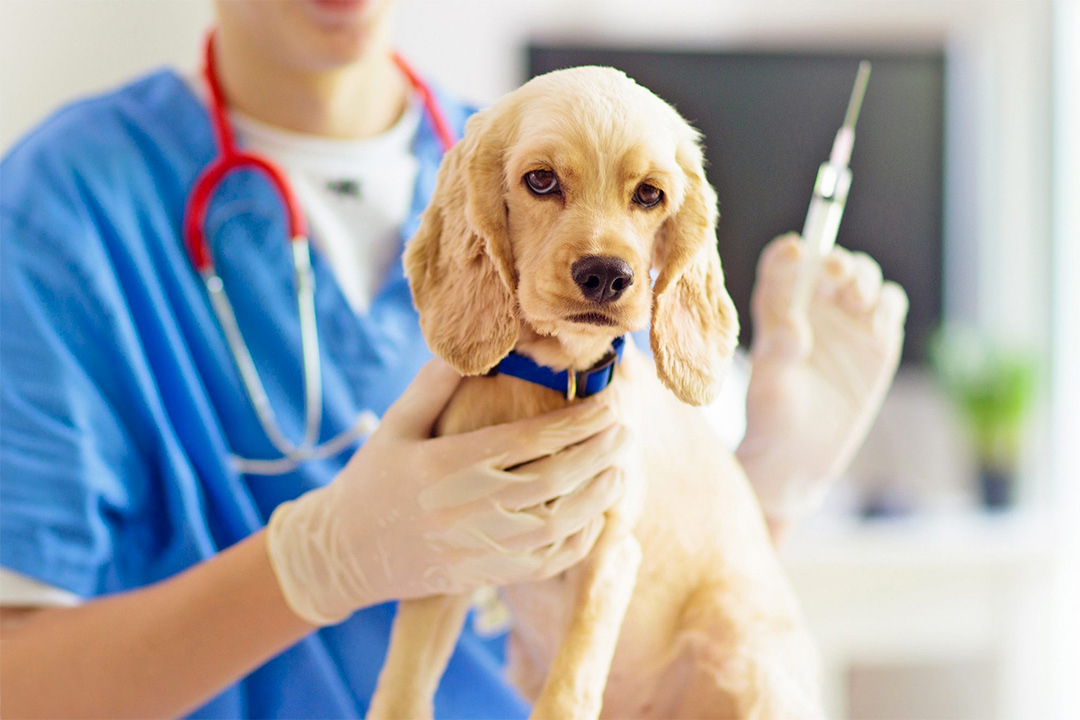
Vaccines contain weak or partial versions of disease-causing organisms that prepare the body’s immune system to fight them. Vaccinated animals are much less likely to get sick if they encounter the real thing.
Most dogs experience no observable vaccine side effects aside from slight lethargy or a lump at the injection site. However, some can develop allergic reactions resulting in vomiting, diarrhea, or itching.
Vaccines are safe
The vaccines that veterinarians recommend for their clients’ pets have a long history of safety and effectiveness. Vaccines work by triggering the immune system to produce antibodies that neutralize harmful agents and prevent infection. The body then releases these antibodies and provides protection against diseases for the rest of the animal’s life. The vaccination process is safe for animals and humans alike. Vaccines can also be administered subcutaneously or intramuscularly.
Traditional vaccines consist of inactivated or live attenuated pathogens. They have proven to be extremely useful and are credited with enhancing livestock productivity and food security and reducing human, animal, and zoonotic disease morbidity and mortality around the world. However, they are not without faults. Vaccine efficacy is often suboptimal for certain disease pathogens, and the vaccine’s live component raises safety concerns in some populations. The rate of emerging infectious diseases continues to accelerate, which necessitates rapid deployment of new vaccine technologies.
Veterinary medicine has spearheaded the advancement of second and third-generation vaccines that circumvent many of the flaws associated with classical vaccines. These novel vaccines use recombinant or conjugated antigens and utilize adjuvants that are engineered to stimulate both humoral and cellular immunity. These vaccines are able to provide robust and sustained immunity, are cost-effective, and can be administered to both young and old animals.
Another example of a cutting-edge vaccine is the CaniLeish(r) leishmaniasis vaccine, which has been shown to have excellent immunological performance and duration of protection against the deadly tegumentary fever parasite Leishmania major (L. major). Unlike previous vaccines, this vaccine does not target B cells, which are responsible for producing antibodies against parasites, but rather directly targets the tegument membrane of the parasite. Consequently, it reduces the likelihood of infection by disrupting the tegument’s ability to bind to host immunoglobulins.
In addition, this vaccine can be given to puppies younger than three months, which comprises significant proportions of dog populations in low- and middle-income countries. In contrast, available commercial rabies vaccines are not recommended for use in puppies and are generally only administered to dogs older than three months due to concerns about interference of maternally acquired immunity with the vaccine’s efficacy and safety.
Vaccines are effective
Vaccines have been proven to be effective in preventing the disease they are designed to treat. These vaccines stimulate the immune system to produce antibodies that will neutralize the pathogens that cause the disease. In some cases, the vaccine can also trigger the production of T-cells that will destroy the pathogen. Many different vaccines have been developed to target various infectious diseases, including rabies, canine distemper virus (RHD), parvovirus, and feline panleukopenia. Vaccine technology has continued to evolve as we strive to develop safe, efficacious, and stable vaccines. Veterinary medicine continues to trailblaze the way in this field.
Second-generation vaccines utilize recombinant DNA or viral vectors to deliver antigens that can elicit protective responses in dogs and humans. Examples of these include the hepatitis B vaccine, the first conjugate vaccine, and the live-attenuated tetravalent dengue vaccine, Dengvaxia. Third-generation vaccines use viral-like particles (VLP) to deliver antigens that can elicit both humoral and cellular immune responses. VLP vaccines include the tetravalent canine leishmaniasis vaccine, CaniLeish, and the live chimeric RHD vaccine, Nobivac Myxo-RHD Plus.
The effectiveness of vaccines is determined by the quality of the immune response triggered by them. A good vaccine is one that generates a strong immune response that lasts for at least three years. The immunogenicity of a vaccine can be evaluated by measuring the antibody titers generated against it. Positive titers indicate that the pet is protected and no further vaccinations are needed. However, negative titers suggest that the pet may not be protected, and a booster may be needed.
Immune titers are particularly useful in the context of mass dog vaccination campaigns, such as the Zero by 2030 strategic plan to eradicate rabies from dogs worldwide. Current guidelines recommend vaccination of puppies younger than 12 weeks, despite the lack of evidence that evaluating maternal immunity would interfere with the immunogenicity of available vaccines. In addition, it has not been demonstrated that a significant number of puppies born to vaccinated dams will become seropositive for rabies. Therefore, immunological assessment of the puppies by measuring titers following their final puppy booster is an important step in the Zero by 30 campaign.
Vaccines are affordable
Vaccines prepare your pet’s immune system to fight viruses, bacteria, and fungi. Many of these pathogens are highly contagious and can cause serious illness, disability, and death. Even pet owners who keep their dogs and cats strictly indoors can still encounter them when they visit dog parks, grooming salons, boarding facilities, or other outside locations. Some diseases are also airborne and can live for months on inanimate objects such as food bowls, shoes, clothes, and floors.
Vaccines that prevent rabies and canine distemper are highly effective and safe. However, these two vaccines are only a small part of a pet’s vaccination regimen. There are other vaccines that the AAHA recommends based on an animal’s risk of exposure, such as feline herpesvirus, feline calicivirus, feline panleukopenia, and a rabies booster. Additionally, many third-generation vaccines utilizing DNA, RNA, and recombinant viral-vector technology are safe, economical to manufacture, and provide both humoral and cellular immunity.
Titers can help veterinarians assess a pet’s vaccine history and determine if a revaccination is necessary. Positive titers for canine distemper, parvovirus, adenovirus, and feline panleukopenia indicate protective immunity, and that revaccination is unnecessary. However, negative titers are not indicative of protection, and a retest is recommended.
In addition to a regular vaccination schedule, vets may offer free or low-cost vaccines through nonprofit organizations, mobile vet clinics, or vet schools. Often, these organizations will conduct vaccination events in different neighborhoods to make accessing affordable veterinary care easier. Additionally, veterinary medicine colleges host low-cost clinics to help pet owners with limited resources.
While most insurance companies do not cover vaccinations, a few offer an add-on rider to help offset the cost of these important preventive health services. The ASPCA, for example, offers this coverage through the Preventive Care Rider.
As a veterinarian, Dr. Ford urges pet owners to make vaccines important to their pet’s overall wellness plan. Not only do they protect against dangerous and contagious diseases, but they can also help prevent costly health problems down the road.
Vaccines are convenient
In addition to protecting your pet from life-threatening diseases, a vaccination series also helps your dog or cat save money. Vaccines help prevent many very costly diseases, especially if they require overnight stays at animal hospitals. Vaccinations can help your pets avoid these expensive treatments and make sure they get the best possible quality of life.
Vaccines introduce your pet’s immune system to viruses or bacteria that normally make them sick without the benefit of a real infection, so the body can build immunity by producing disease-fighting antibodies. If your dog or cat comes into contact with these microorganisms in the future, the antibodies will quickly fight off any infection and protect them from becoming seriously ill or dying.
While some pet owners have concerns about side effects from vaccines, they are usually minor. Vaccination may cause some swelling or tenderness at the injection site, but this is usually no big deal. Some dogs experience a day or two of sneezing and runny nose after an intranasal vaccine, but this is nothing to be alarmed about. Call your veterinarian immediately if you notice any severe or ongoing side effects after your pet receives a vaccine.
The rabies vaccine is the one exception, as it requires a recurring booster every three years to maintain effectiveness. This is because the risk of rabies is always present. Other vaccines that are a good idea for your pet include the Lyme disease vaccine, which is particularly important in regions with lots of ticks, and the feline leukemia vaccine, which is very dangerous to cats.
Keeping your pet’s vaccinations up to date is an easy way to keep them healthy and happy. By discussing your pet’s vaccination schedule with a veterinarian, you can ensure your dog or cat gets the vaccinations they need to stay healthy and safe. Contact us today to schedule your appointment. We look forward to serving you!
