


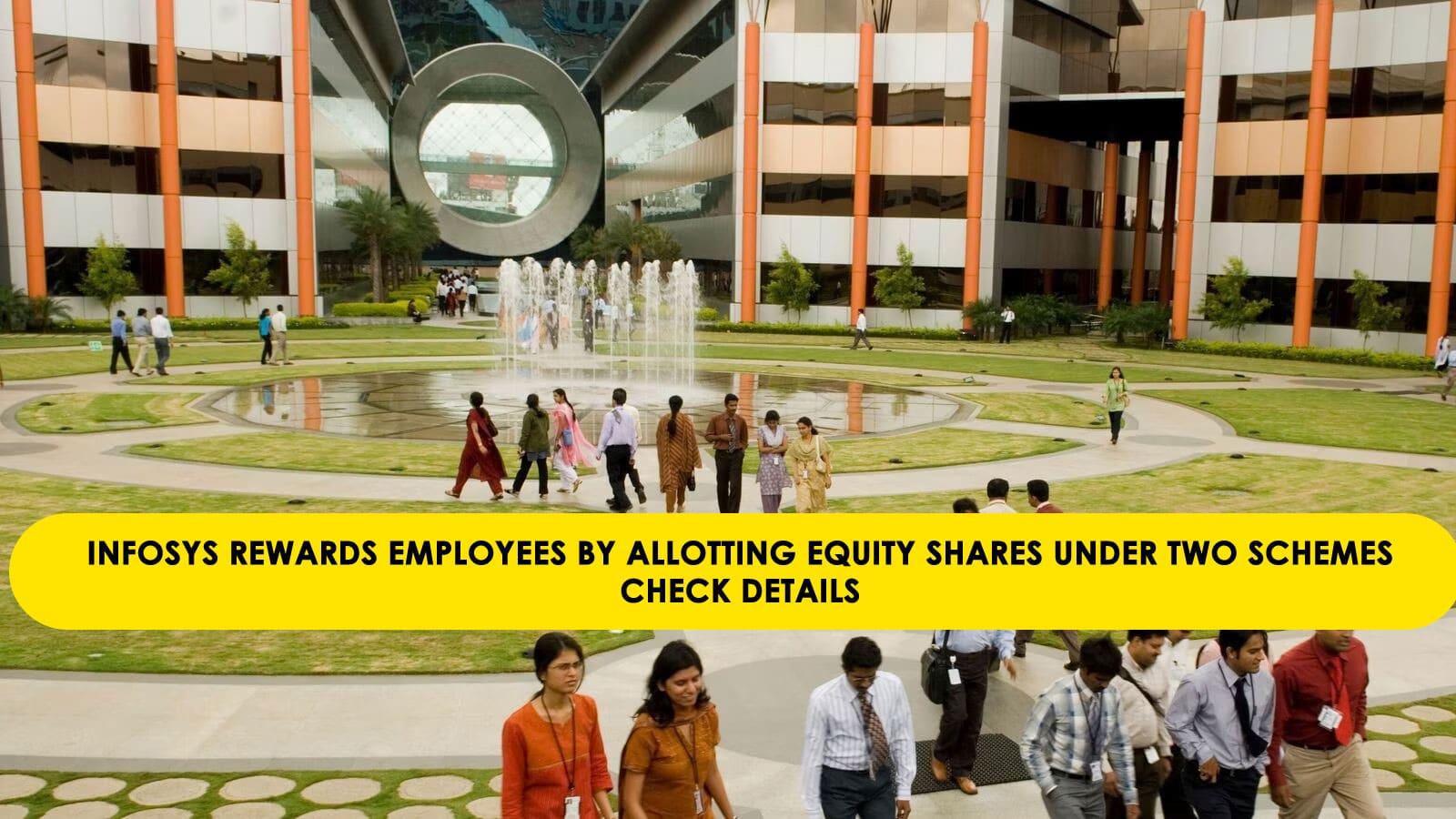
Infosys, one of the leading global technology consulting and services companies, has recently announced that it will be rewarding its employees by allotting equity shares under two schemes – the 2015 Stock Incentive Compensation Plan and the 2018 Stock Incentive Compensation Plan.
The 2015 Stock Incentive Compensation Plan is a long-term incentive plan that was introduced in 2015 to reward eligible employees with equity shares. Under this scheme, employees are granted restricted stock units (RSUs), which vest over a period of four years. The vesting schedule for RSUs is typically 25% per year, with the first vesting happening after the completion of one year of service. The RSUs are settled in equity shares upon vesting, which means that employees become shareholders of Infosys upon receiving the shares.
The 2018 Stock Incentive Compensation Plan is a newer scheme that was introduced in 2018 to replace the 2011 Stock Incentive Compensation Plan. This plan is also a long-term incentive plan that rewards eligible employees with equity compensation support. Under this scheme, employees are granted performance-based RSUs, which vest over a period of three years. The vesting schedule for RSUs under this scheme is also typically 25% per year, with the first vesting happening after the completion of one year of service. The performance criteria for RSUs under this scheme are based on the achievement of the company’s performance goals.
The equity shares allotted under both these schemes are in addition to the annual variable pay and other benefits that Infosys provides to its employees. The allocation of equity shares is aimed at recognizing the contribution of employees to the growth and success of the company and incentivizing them to continue performing at a high level.
Overall, the allotment of equity shares under these two schemes is a significant initiative by Infosys to reward and retain its talented workforce. It provides employees with an opportunity to become shareholders of the company and benefit from its future growth, while also aligning their interests with those of the company.
